 Business License

What is Galvanized Steel?
Galvanized steel is, simply put, ordinary carbon steel with a layer of metallic zinc applied to its surface. The zinc layer is there to prevent rust – it allows carbon steel, which would otherwise rust at the first sign of moisture, to remain corrosion‑free for years in humid and outdoor environments.
The protection works through two mechanisms. First, the zinc layer acts like a jacket, physically isolating the steel from air and moisture. Second, even if the jacket is scratched, zinc corrodes before the steel does – the iron underneath stays protected while zinc "sacrifices" itself. This is called "sacrificial anode protection." Unlike paint, which fails when scratched, zinc continues to protect even when the coating is damaged.
Galvanizing is not a material grade – it's a process. Any carbon steel can be galvanized. So the mechanical properties of galvanized steel depend entirely on the base steel grade. Q235 galvanized steel still has the strength of Q235; 45# galvanized steel still has the strength of 45#.
Two Main Types of Galvanizing Process
Hot‑Dip Galvanizing (HDG)
The steel is dipped into molten zinc at approximately 500°C to form a relatively thick zinc‑iron alloy layer. This is the most common method, accounting for over 90% of all galvanizing consumption.
Coating thickness: Thick (40‑200μm)
Corrosion life (outdoor): 15‑25 years
Surface appearance: Silver‑grey, may have spangle
Typical applications: Outdoor steel structures, guardrails, towers, large‑diameter pipes
Hydrogen embrittlement risk: Very low
Electro‑Galvanizing (EG)
A layer of zinc is deposited on the steel surface through an electrochemical process.
Coating thickness: Thin (5‑25μm)
Corrosion life: About 1/5‑1/3 of HDG in the same environment
Surface appearance: Bright, uniform
Typical applications: Automotive panels, appliance housings, indoor precision parts
Hydrogen embrittlement risk: High‑strength steels (≥1000MPa) need caution
Key Coating Parameters
Coating weight is the most direct indicator of corrosion resistance. It is expressed in g/m² (grams of zinc per square metre, total both sides). Common grades are as follows:
| Coating Grade | Total Both Sides (g/m²) | Single‑Side Thickness (μm) | Suitable Environment |
|---|---|---|---|
| Z60 | 60 | ~4.2 | Dry indoor, very mild corrosion |
| Z80 | 80 | ~5.6 | Indoor, occasional moisture |
| Z100 | 100 | ~7.0 | General outdoor atmosphere |
| Z140 | 140 | ~9.8 | Industrial areas or coastal suburbs |
| Z180 | 180 | ~12.6 | Moderate‑high salt‑spray coastal |
| Z275 | 275 | ~19.2 | High‑salt corrosive environments |
Procurement advice: For coastal projects, choose Z180 or higher. For dry indoor environments, Z80 is sufficient. For the same coating weight, hot‑dip galvanizing lasts about 3‑5 times longer than electro‑galvanizing in the same environment.
Common Grade Designations for Galvanized Steel
The table below compares galvanized steel grade designations across major international standards for procurement purposes:
| Standard | Structural Grades (High Strength) | Cold‑Forming Grades (Stamping/Bending) | Notes |
|---|---|---|---|
| EN 10346 (Europe) | S250GD, S350GD | DX51D, DX52D, DX53D | DX series graded by formability |
| ASTM A653 (US) | SS Grade 33‑80 | CS Type A/B/C | 33‑80 indicates tensile strength |
| JIS G3302 (Japan) | SGCC, SGHC | SGC340‑SGC570 | SGCC is the most common grade |
| GB/T 2518 (China) | S220GD‑S550GD | DX51D‑DX57D | Essentially aligned with the EN system |
Procurement note: If a customer only asks for "galvanized steel," you must clarify three things: base steel grade (e.g., DX51D or S350GD), coating weight (e.g., Z80 or Z275), and surface treatment (chromate passivation / oiled / etc.).
Expected Service Life
Expected service life of hot‑dip galvanized steel in different environments:
Dry indoor: >50 years
Rural atmosphere: 30‑50 years
Urban / industrial: 15‑25 years
Coastal: 8‑15 years
Direct seawater immersion: 5‑10 years
These figures are based on standard hot‑dip galvanizing (~80μm coating). With Z275 (about 19μm per side), the lifespan can be extended.
Galvanized Steel vs. Stainless Steel
This is the most common question when selecting materials.
| Aspect | Galvanized Steel | Stainless Steel (304) |
|---|---|---|
| Corrosion mechanism | Zinc layer + sacrificial anode | Chromium passive film (self‑repairing) |
| Service life limit | Until zinc layer is depleted | Essentially unlimited |
| Cost (relative to carbon steel) | Low (~1.15‑1.3x) | High (~3‑5x) |
| Field repairability | Can be touched up with zinc‑rich paint | No repair needed |
| Suitable environment | General atmospheres | Severe corrosive environments |
| Welding | Remove coating before welding, then touch up | Weld directly |
| Appearance retention | Becomes dull over years | Maintains bright finish for decades |
Selection criteria:
Corrosion environment C3 or below, budget‑sensitive → choose galvanized steel
Corrosion environment C4 or above, or maintenance‑free required → choose stainless steel
Medium corrosion environment but cost‑sensitive → heavy coating (Z180+) can replace thin stainless sheet
Main Applications
Construction and infrastructure: roofing sheets, wall panels, steel structures, guardrails, power towers, communication towers
Automotive and transportation: car bodies, chassis, underbody components
Appliances and manufacturing: outer shells and internal structural parts for refrigerators, washing machines, air conditioners
Power and energy: photovoltaic brackets, cable trays
Agriculture: greenhouse frames, fencing, storage racks
Why choose Shandong Mingtong Metal?
We have 5,000 tons of stock of commonly used sizes (including 1000×2000 mm, 1250×2500 mm, 1500×3000 mm, etc.) and surface treatments such as 2B, NO.4, and BA; The zinc coating can be customized according to your requirements. We can also customize products according to your needs. We support expedited orders (4-7 days) and large-volume orders (7-15 days) to ensure fast delivery.
If you're pricing a project or just want to talk through your requirements, reach out to our team. We'll get you a same-day quote and an honest answer to any technical question you have.
FAQ
Q: Do you offer sample services?
A: Absolutely! We provide complimentary samples with worldwide express shipping at no charge. This allows you to evaluate our product quality firsthand before placing bulk orders.
Q: Can you manufacture custom products?
A: Yes, we specialize in custom manufacturing services. Whether you have specific designs, technical drawings, or unique specifications, our engineering team can produce tailored solutions that perfectly match your requirements.
Q: What is your typical lead time?
A: Our standard production and delivery timeline ranges from 7 to 15 days for most orders. For exceptionally large quantities or specialized products, we will provide you with a precise delivery schedule based on your specific requirements.
Q: Are factory visits available?
A: Certainly! We warmly welcome clients from around the globe to visit our manufacturing facilities in Wuxi. Factory tours provide an excellent opportunity to witness our production capabilities and quality control processes firsthand.
Q: How do you ensure product quality before shipment?
A: Quality assurance is our top priority. Every product undergoes comprehensive inspection before packaging, including Mill Test Certificates (MTC) and optional third-party verification (SGS, BV, etc.). Any products failing to meet our stringent quality standards are rejected. Additionally, clients are welcome to arrange independent third-party inspections at their discretion.
Q: What packaging methods do you use?
A: We utilize professional export-grade seaworthy packaging designed for ocean freight. Our multi-layer protection system includes waterproof interior wrapping, robust steel outer packaging, and fumigation-treated wooden pallets for secure loading. This comprehensive packaging safeguards your products against corrosion, moisture, and environmental challenges throughout international transit.
Recently Posted
-
What is ASTM A36 Carbon Steel
June 16, 2026A36 carbon steel is a general‑purpose carbon structural steel under the ASTM standard, with a minimum yield strength of 250 MPa, e Read More
 -
Aluminum Materials - How to Choose the Right One
May 26, 2026Aluminum material is a collective term for metal products made from aluminum and other alloying elementsWhat Is Aluminum Material? Read More
 -
How to choose the right one: Carbon steel vs Galvanized steel vs Stainless steel
May 22, 2026There's no absolute good or bad among these three materials, only whether they're suitable. Choosing the right one saves y Read More
 -
Which is better, carbon steel or stainless steel?
May 11, 2026Carbon steel and stainless steel constitute the two most widely utilized categories of ferrous materials in modern industry. Altho
Read More

Contact Us
Recommended Products
-
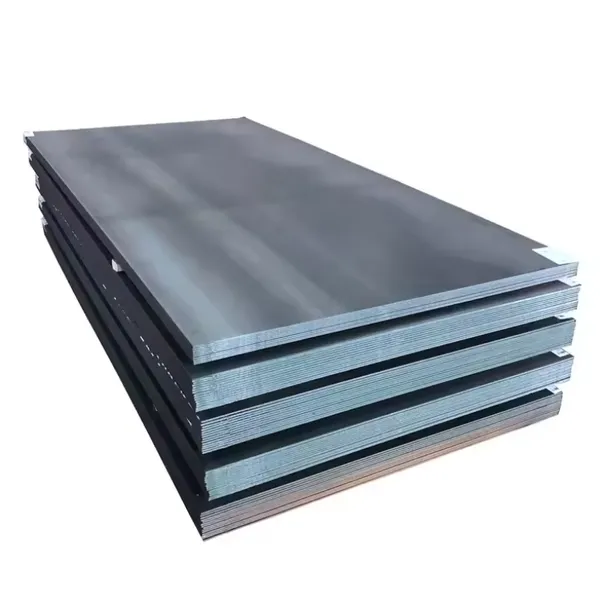
 A36,Q235,SS330,SS400 Carbon Steel Plate/sheet Supplier Factory Price Mild Steel Sheet Ready Stock Fast Delivery for Construction Structure & MachineryUS$ 450 - 1500MOQ: 1 Ton
 -
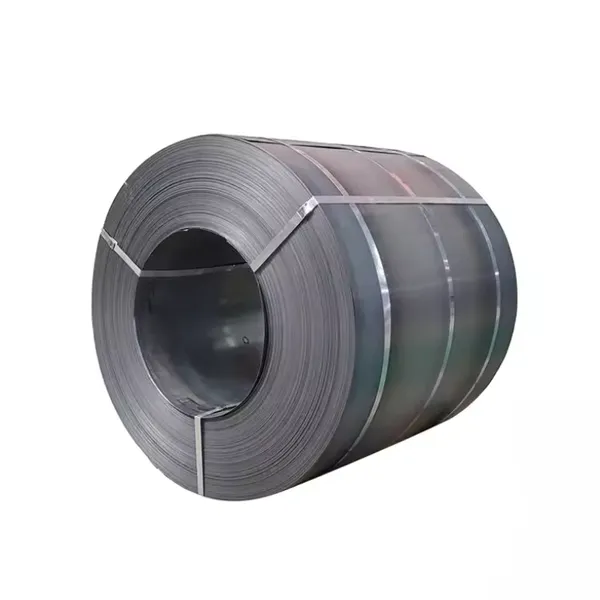
Q235 / A36 Carbon Steel Coil Supplier Factory Price Mild Steel Coil Hot Rolled Ready Stock Fast Delivery for Construction & ManufacturingUS$ 450 - 1500MOQ: 5 Tons
-
A36/Q235 Premium 0.3-25mm HRC Carbon Steel Coil for ConstructionUS$ 400 - 1500MOQ: 5 Tons
-
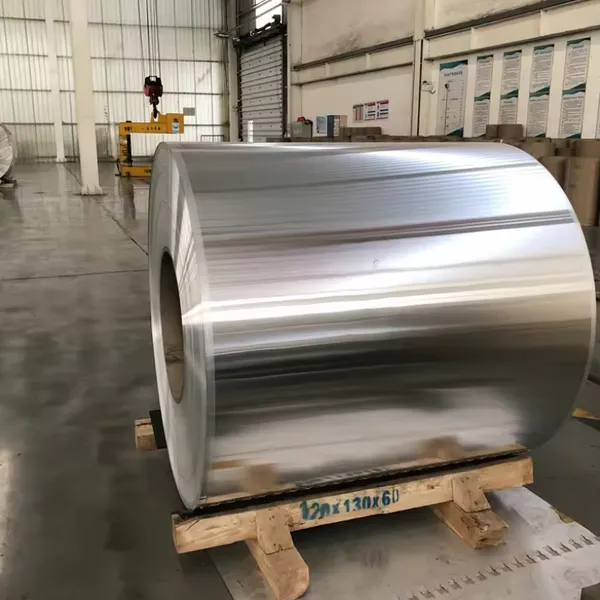
Low Price Aluminum Coil 12mm Aluminum Coils 3mm 0.1mm 2mm Sheet Coil 3003 1060 1100 6061 Alloy Aluminum RollUS$ 2800 - 3200MOQ: 5 Tons
-
Manufacturers ASTM S50c A36 A106 Ss400 Dd11 Dco1 Q235 Hot Rolled Carbon Steel CoilUS$ 400 - 1500MOQ: 5 Tons
-
A36/Q235 Factory Direct Sales of 1mm 2mm 3mm Carbon Steel Coils Cold-rolled and Hot-rolledUS$ 400 - 1500MOQ: 5 Tons
-
C45 A36 Q235 Carbon Steel Coil Supplier Factory Price Mild Steel Sheet Ready Stock Fast Delivery for Construction Structure & MachineryUS$ 450 - 1500MOQ: 5 Tons
-
Factory Wholesale Stainless Steel Coils: 201, 304, 314l, 316l, 430, 904l,2205,etc Thickness 0.3-25mm, Width 600-3500mm.US$ 1400 - 3200MOQ: 5 Tons
-
ASTM Stainless Steel Coil: 314l, 304, 316l, — Finishes: 2B, BA, 8K, HL, No.1, No.4US$ 1450 - 3200MOQ: 5 Tons
-
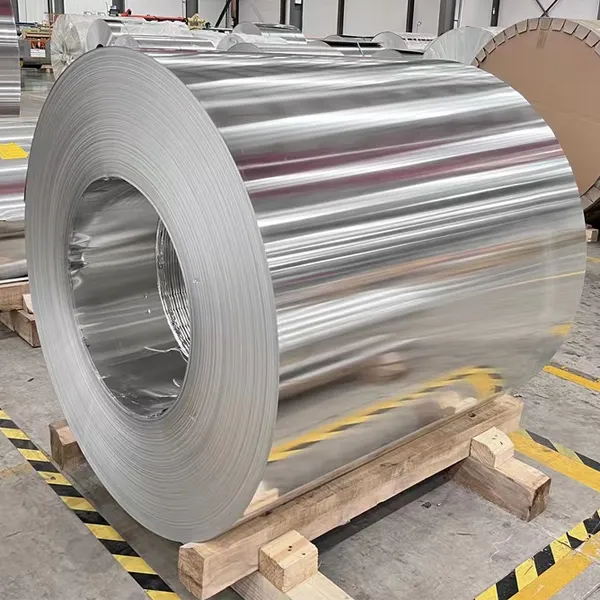
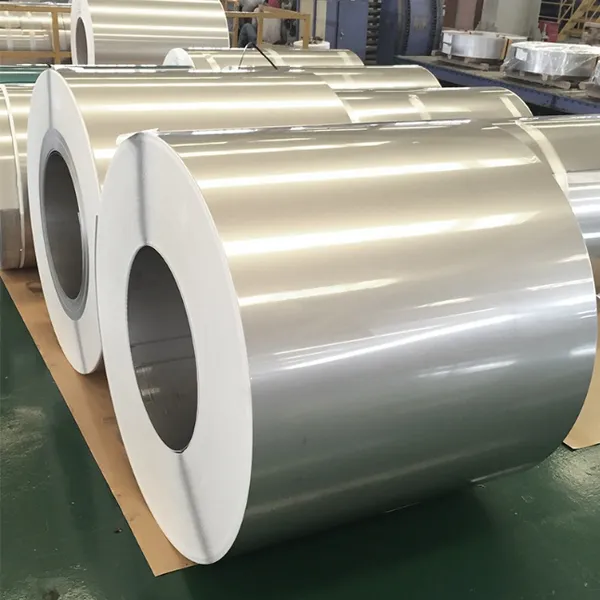
ASTM Stainless Steel Coil: 201, 304, 314l, 316l, 430, 904l, 2205, 2507,etc — Finishes: 2B, BA, 8K, HL, No.1, No.4US$ 1450 - 3200MOQ: 5 Tons
-
Hot-Rolled Stainless Steel Coils (Grades 201, 304, 314, 316, 430, 904l,etc) — Custom Steel Coils — 2mm, 6mm, 10mm ThicknessUS$ 1450 - 3200MOQ: 5 Tons
-
Prime Quality Factory Outlet Customized 201 304 314 316l 430 904l 2205,etc Cold Rolling or Hot Rolling Stainless Steel CoilUS$ 1450 - 3200MOQ: 5 Tons
-
The Manufacturer Offers Stainless Steel Coils in Grades 201, 304, 314, 316, 316l, 430, 904l, 2205,etcUS$ 1450 - 3200MOQ: 5 Tons
-
High-quality Grade SS 201 202 304 316 316L 904l 430 Corrosion-resistant High-strength Stainless Steel CoilsUS$ 1450 - 3200MOQ: 5 Tons
-
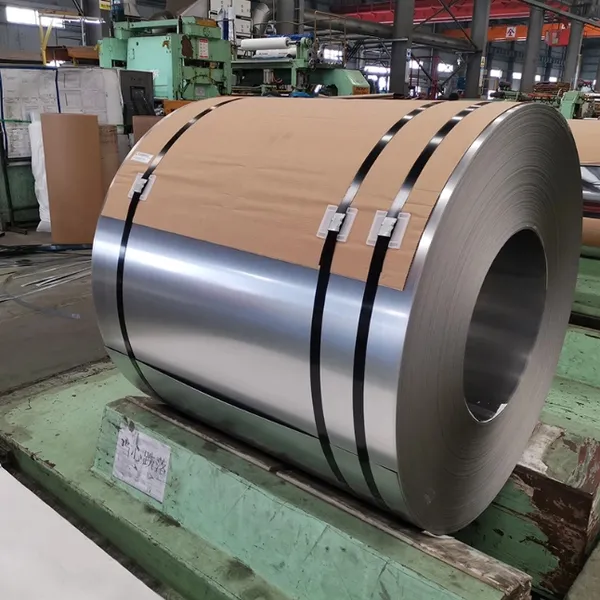
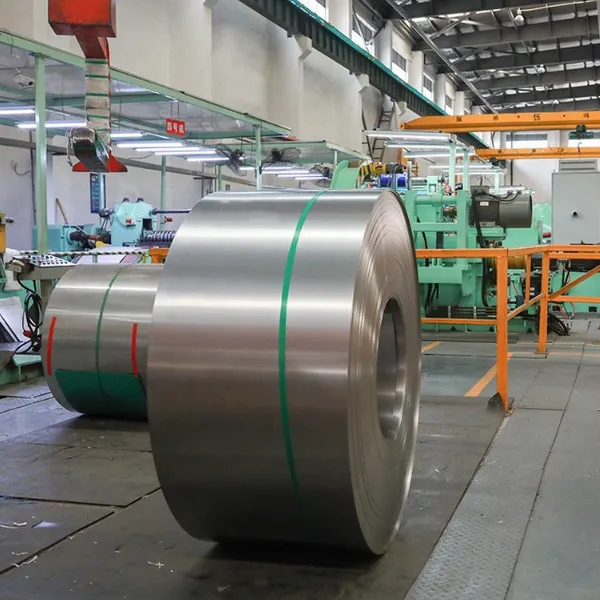
High-quality, In-stock AISI, ASTM, 201, 304, 301, 314, 316, 430, 904l, 2205, 2507,etc Cold-rolled Stainless Steel Coils - Factory Direct Sales.US$ 1400 - 3200MOQ: 5 Tons
-
Wholesale Prices of 201/304/314/316l/430/904l Stainless Steel CoilsUS$ 1450 - 3200MOQ: 5 Tons
-
Low-priced, High-quality Stainless Steel Coils: 201, 304, 316, 316L, 430, 310S, 904l, 2205, 2507, EtcUS$ 1450 - 3200MOQ: 5 Tons
-
Hot Rolled Stainless Steel Coil ASTM AISI 201 304 314 316L 310S 409 430 904l 2205 2507 Stainless Steel Strip CoilUS$ 1000 - 4000MOQ: 5 Tons
-
Ss 201 304 304L 316 317 410 420 430 904L 2205 2507 Cold Rolled Stainless Steel CoilUS$ 950 - 4000MOQ: 5 Tons
-
SUS316/314/430/304/904l Stainless Steel Coil Brushed Surface Cold/Hot Rolled Can be CustomizedUS$ 950 - 4000MOQ: 5 Tons